The Wiese Foundation advances citizenship, cultural education, and the development of local communities in Peru by connecting heritage with the formation of better citizens.
In a context where strengthening citizenship is key to the country’s sustainable development, the Wiese Foundation has been consolidating its role as a leading force in civic education in Peru. It does so by promoting the value and social use of cultural heritage, while also contributing to the improvement of educational quality.
Its approach is grounded in a clear premise: heritage is not only a reflection of the past, but an active tool for shaping more aware, critical, and engaged citizens.
Through educational programs, social initiatives, and cultural outreach, the Foundation promotes civic learning by connecting people with their history, their identity, and their role within society.
Cultural Heritage as a Driver of Citizenship
One of the Foundation’s core pillars is fostering reflection on the historical processes that shape us all, as a starting point for strengthening cultural identity and promoting citizenship among Peruvians.

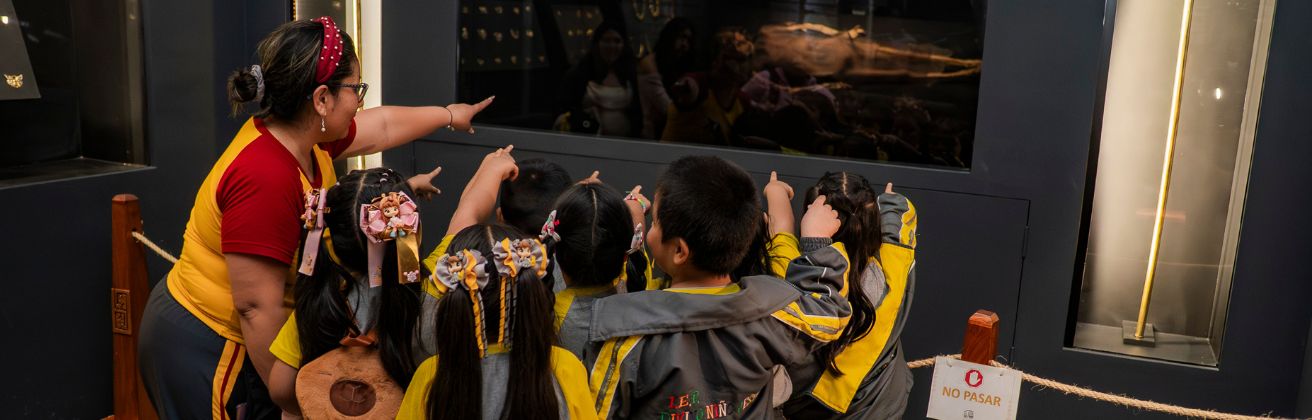
In spaces such as the El Brujo archaeological complex, educational experiences are designed not only to share historical knowledge, but also to promote values such as:
- respect for diversity
- a sense of belonging
- social responsibility
- critical thinking
- civic engagement
In this way, heritage becomes a living resource that directly contributes to shaping active and engaged citizens within their communities.
Cultural Education with Social Impact
The Wiese Foundation leads a range of cultural education programs in Peru aimed at students, teachers, and local communities, with the goal of fostering meaningful learning and social transformation.

These initiatives seek to:
- strengthen civic engagement among young people
- promote equitable access to culture
- support the development of local communities
- create opportunities through knowledge
This approach combines academic rigor with accessible methodologies, making culture a relevant and practical part of everyday life.
Community Development Through Culture
The Foundation’s work also focuses on the development of local communities in Peru, positioning cultural heritage as a source of opportunity.
Through sustainable, high-impact social projects, it promotes:
- local entrepreneurship
- education as a driver of change
- appreciation of place and territory
- active community participation
This model demonstrates that culture not only preserves the past, but also helps build a better future.
A Commitment to the Peru We Envision
In line with its institutional mission, the Wiese Foundation contributes to building a country with more informed, engaged, and culturally aware citizens.
Its work brings together three key dimensions:
- citizenship
- education
- cultural heritage
Together, these create an impact that goes beyond the cultural sphere, becoming a direct contribution to Peru’s development.
Frequently Asked Questions
What is civic education in Peru?
Civic education in Peru is a social process aimed at developing values, knowledge, critical awareness, and skills that enable people to participate actively in society. Through this process, individuals gain the capacities needed to fully exercise their rights and responsibilities, while respecting diversity and contributing to the common good.
How does cultural heritage contribute to citizenship?
The social use of cultural heritage strengthens citizenship by transforming historical legacy into a resource that fosters social connection, a sense of belonging, and historical awareness—key elements in shaping responsible and engaged citizens.
What does the Wiese Foundation do?
The Wiese Foundation develops educational programs, social initiatives, and cultural actions that connect heritage with education and community development, promoting civic education in Peru.


